Enter Password

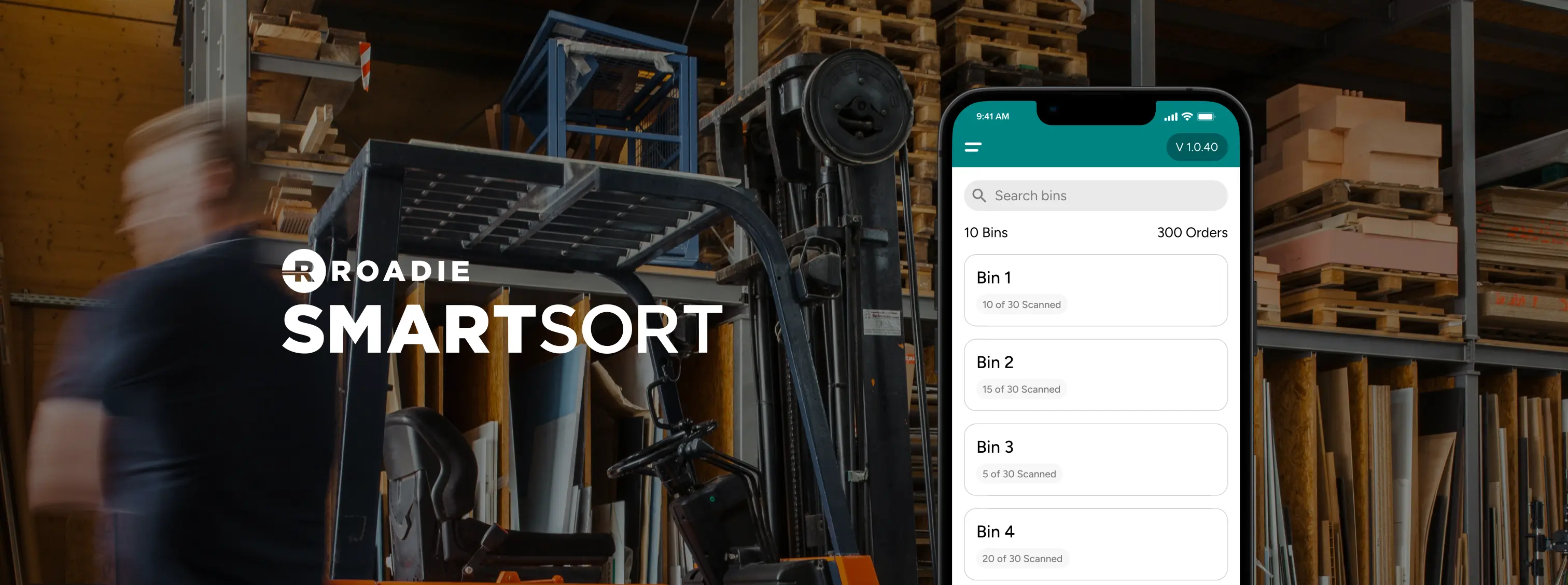
Designing SmartSort: Roadie’s Warehousing App

Summary

Led the design vision of warehousing application, enabling efficient sorting of packages and staging them for pickup directly from warehouses.

Results

Reduced delivery fulfillment time from 2-3 days to less than 24 hours. Optimized supply chain and reduced overhead costs by 19%. Acquired new retailer warehouses, generating additional volume of 25%.

Roadie Overview

Roadie is a crowd-sourced delivery platform that enables last-mile delivery all across the US. With more than 50k monthly active drivers, Roadie is a trusted delivery partner for many large-scale enterprises as well as small-medium businesses.

Challenge

Retailers rely on inefficient delivery solutions and struggle with overhead costs and delays. How can Roadie get their products to their customers faster than ever?

Opportunity

Roadie can leverage retailer warehouses and turn them into sorting and distribution centers.

By leveraging warehouses, Roadie eliminates the need of 3PL distribution centers, thereby reducing delivery costs and fulfillment times.

Solution

Working with Fanatics, I designed an MVP product that enables sorting of packages and pickups directly from warehouses.

Discovery
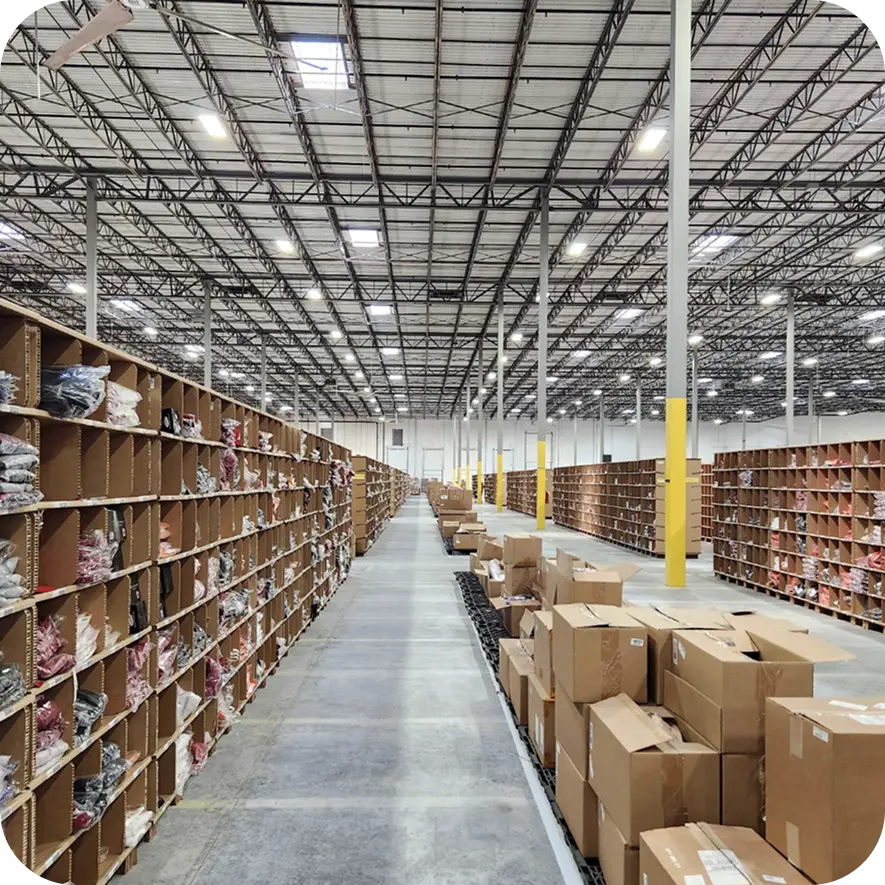
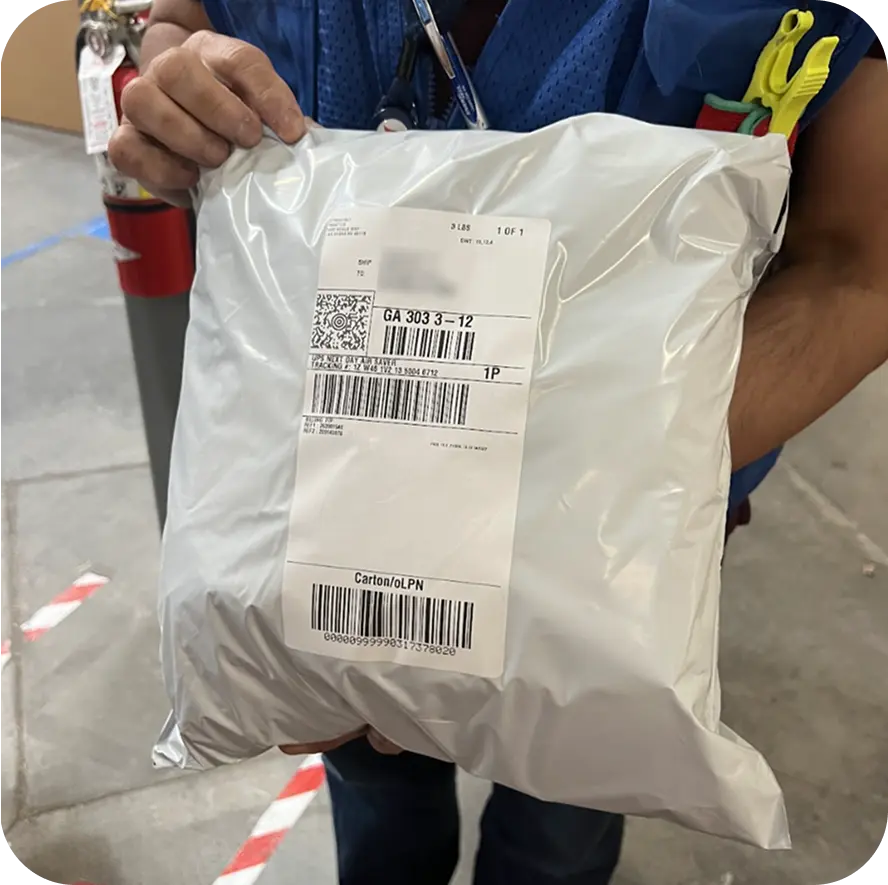
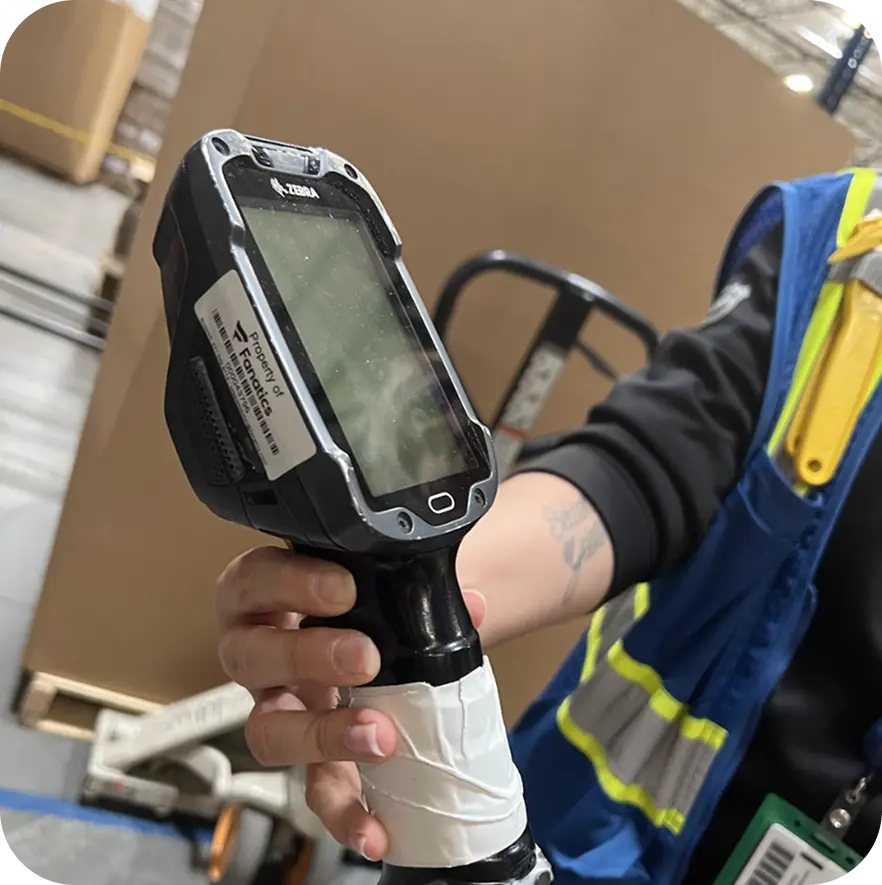
The initial stages of this project focused on understanding how Fanatics operates. Being a 0 to 1 product, I did not get to conduct research in its conventional form by talking to users. Instead, I visited Fanatics warehouse in Jacksonville, FL where I learned more about how packages arrive and move through the warehouse, their size, label format, and the technology in use.
Fanatics warehouse, Jacksonville FL
Shipping labels
Scanner

Definition

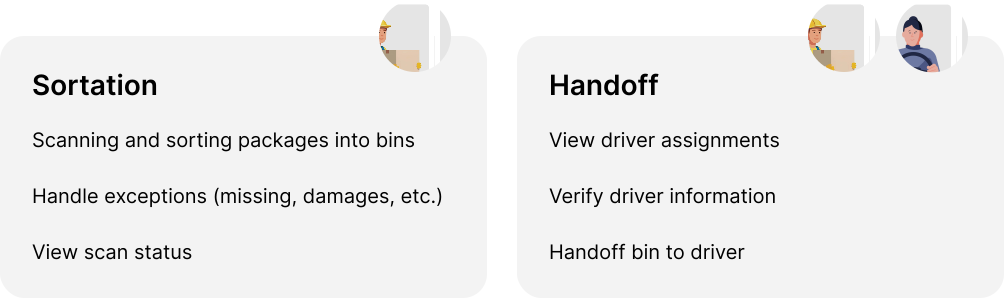
To turn warehouses into a sorting and distribution center, the design should allow the warehouse employees to scan packages, sort them into bins and hand them off to Roadie drivers.

Key Requirements

The system should allow user to:
  • Scan and sort packages into bins
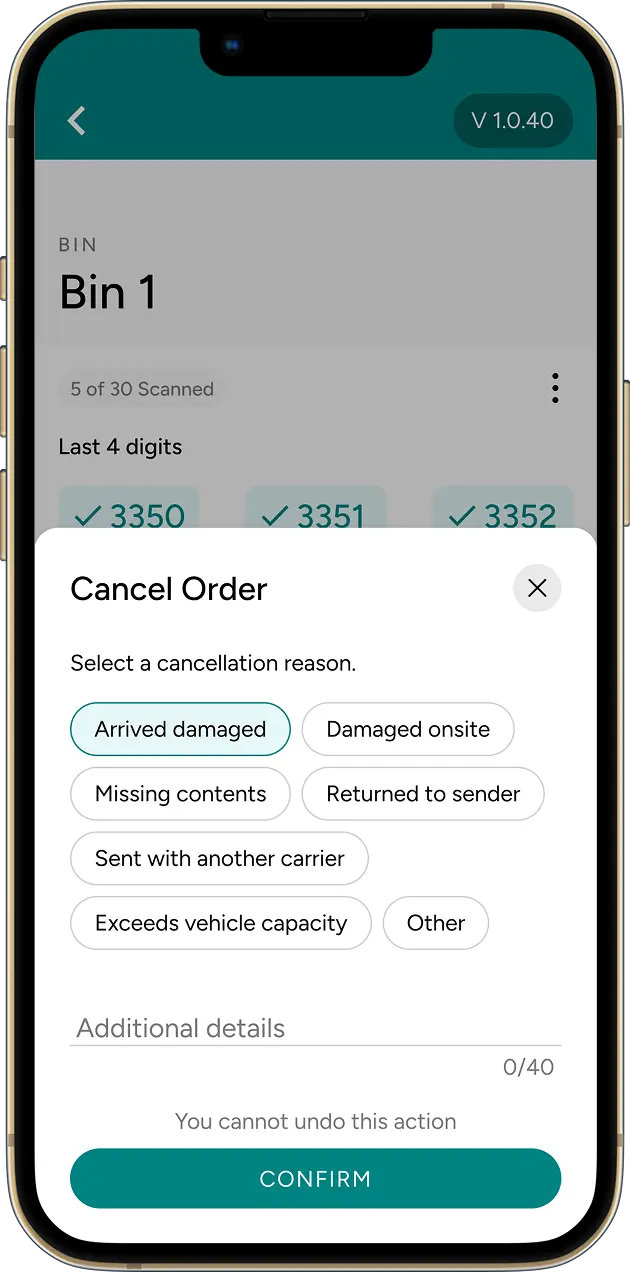
  • Handle exceptions (missing, damaged and ineligible packages)
  • Monitor scan progress
  • Verify scan completion
  • View driver assignment

Designing for Warehouse Reality

Warehouse staff experience high churn rate and limited onboarding time. I had to ensure that the product was:
  • Easy to learn in minutes
  • Does not slow down users

User Flow & Initial Sketches
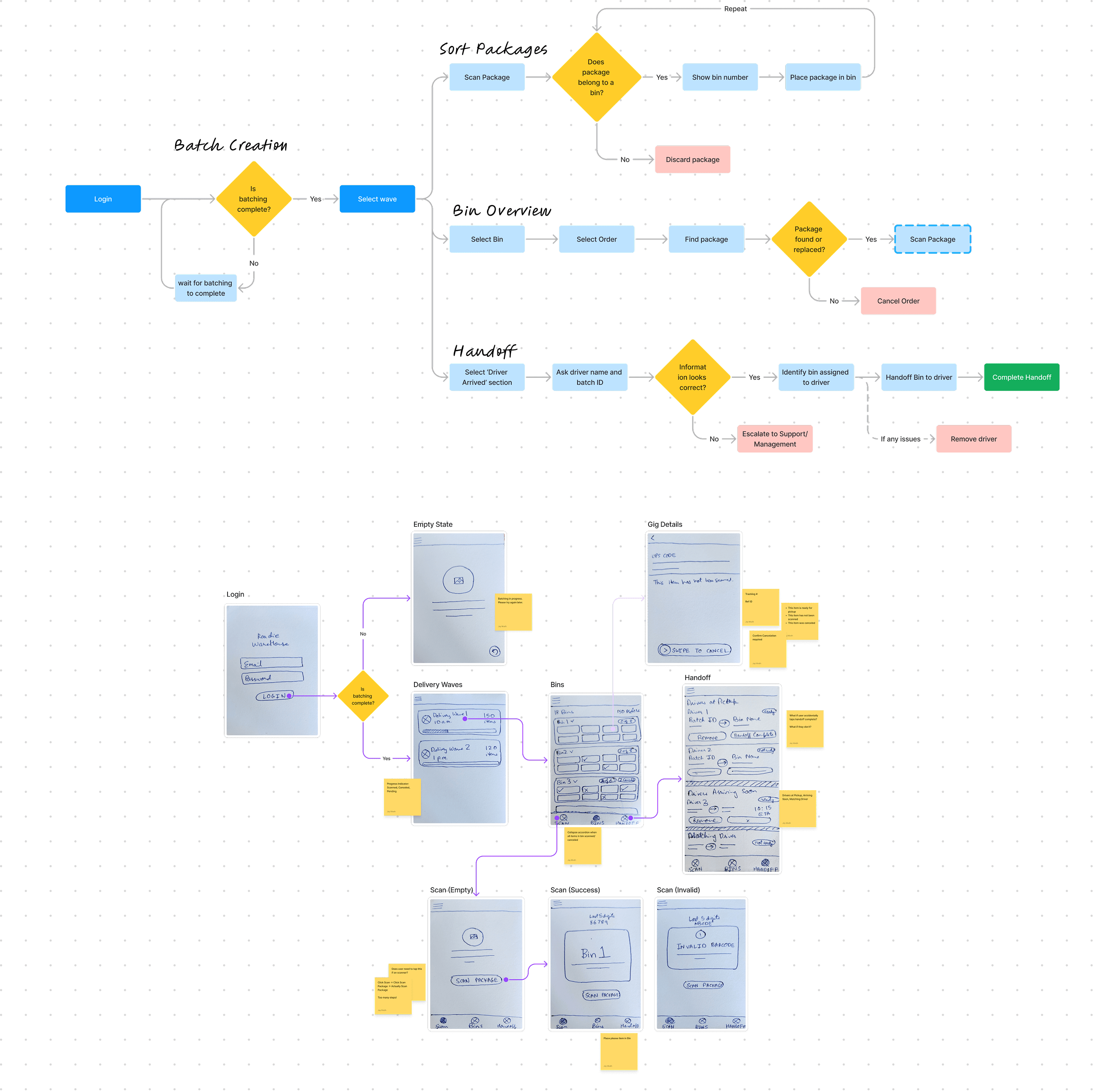
I designed the following user flow based on the tasks user needs to complete and then created some sketches to visualize the interaction.

Designing under operational constraints

I reviewed the user flow and the initial designs with stakeholders including Operation Managers at Fanatics and Roadie’s Engineering team.
  • Adding secondary bin scan

    The Fanatics team needed confirmation that employees placed packages in the right bin. Given how quickly users move when sorting, such errors are bound to happen. To prevent missorts, I added a step where user needs to scan the bin after scanning the package.
  • Dropping the wave concept

    To allow warehouses to operate in waves (e.g. AM wave, PM wave), I designed an overview to select waves. This would keep information organized when waves overlap. However, in reality the warehouses did not operate in waves with shipments from waves rolled over into existing wave.
  • Supporting driver verification

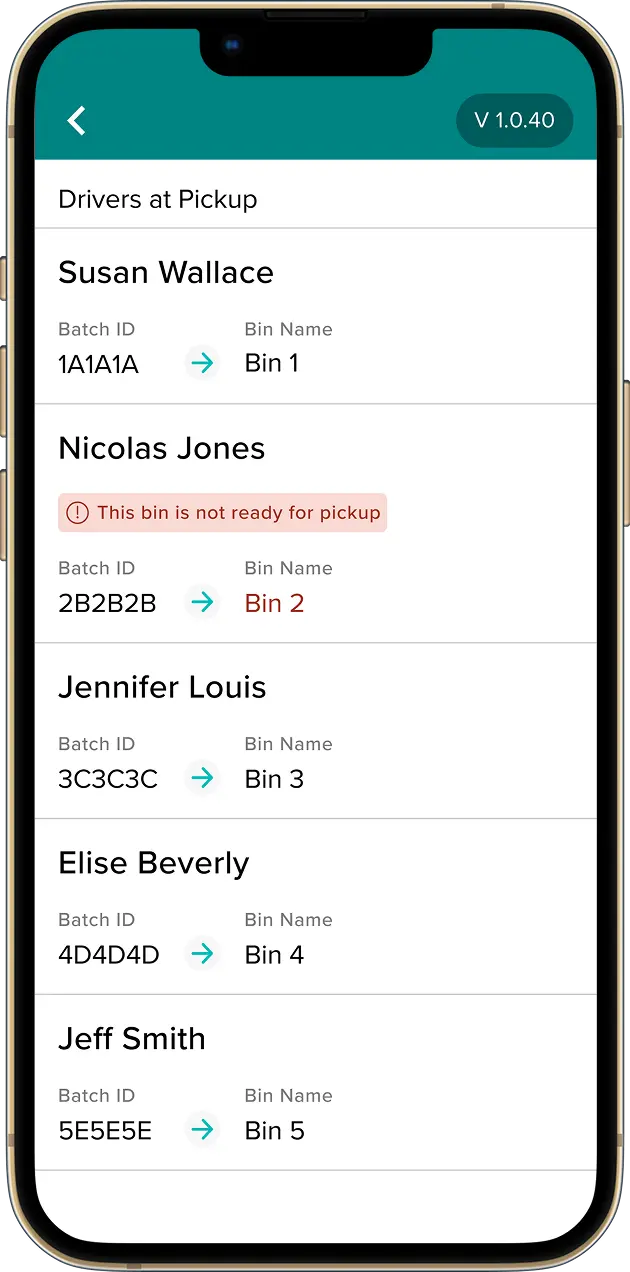
    To prevent drivers from claiming bins and enforcing verification, I suggested that we use the driver Batch ID. Instead of revealing the bin number on the driver app, the warehouse user verifies the Batch ID provided by the driver and maps it to the corresponding bin number.

Final Designs

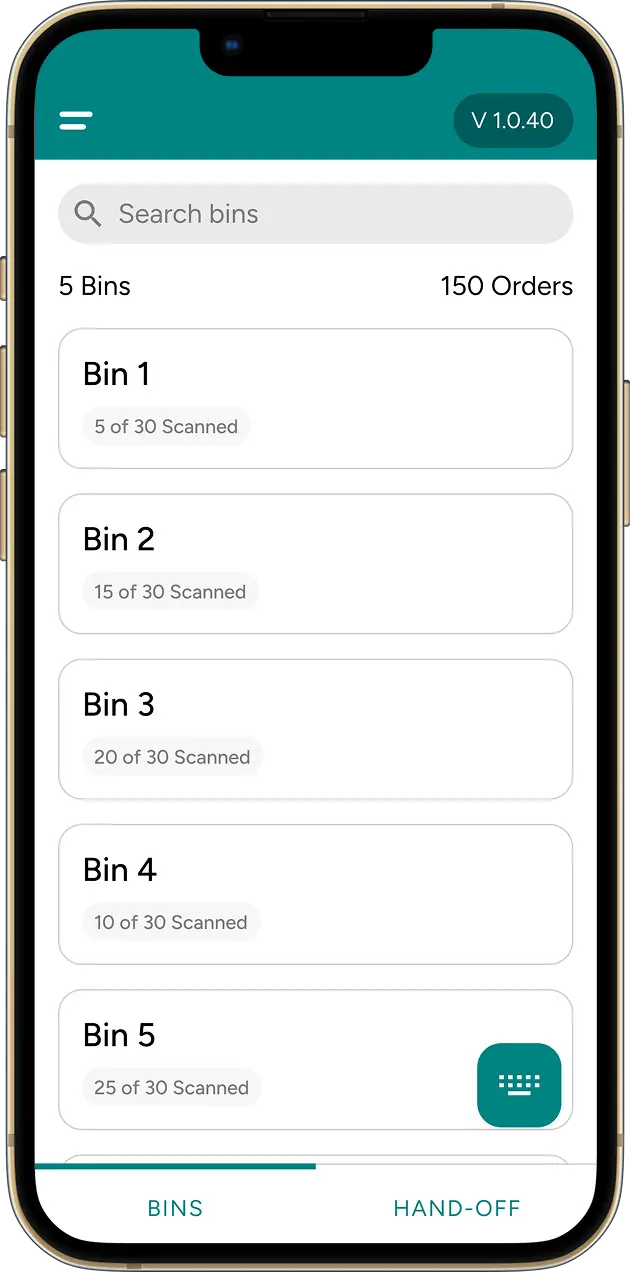
Incorporating feedback from Operations, I designed the following high-fidelity designs of the SmartSort application.

Packages arrive at the warehouse

Sort packages into bins
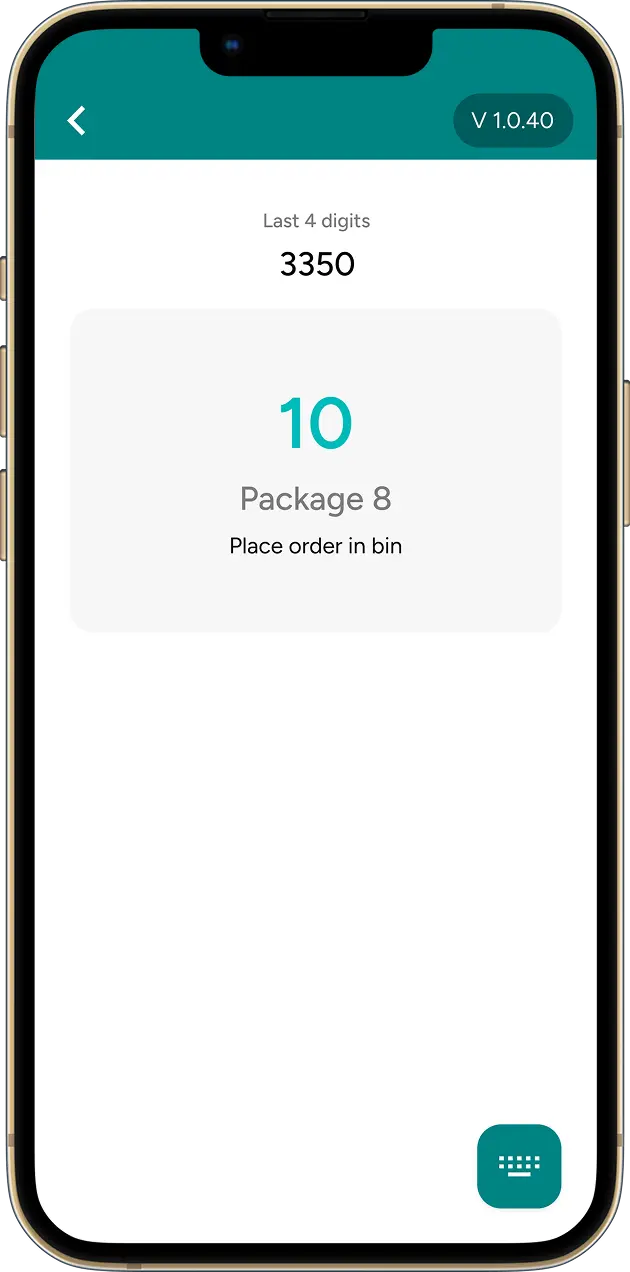
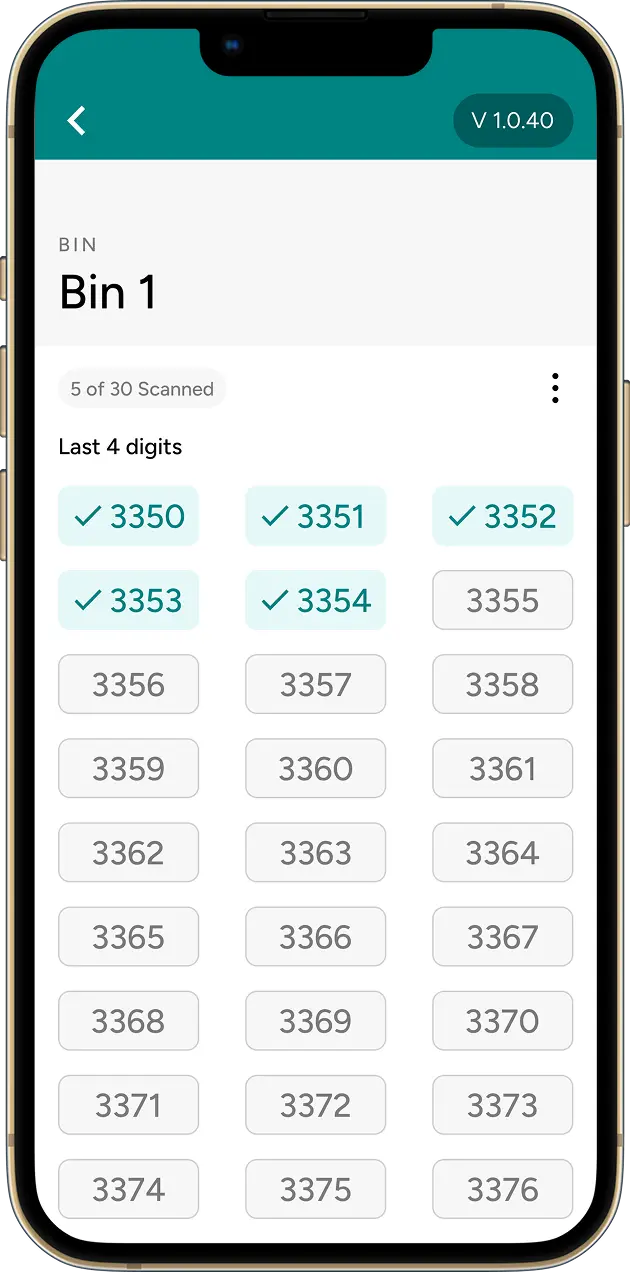
Verify all packages in a bin
Cancel missing or damaged packages
Handoff bins to drivers for pickup
Business Outcomes

As the designer leading this initiative, I worked closely with Operations and Engineering to ship an MVP. Since its launch, SmartSort has enabled Fanatics to run sorting and pickup directly from their warehouses. SmartSort served as a foundational tool in supporting this new operating model.
  • Fanatics expanded SmartSort operations to 8 warehouses within 6 months
  • Contributed to a 19% reduction in overhead costs and 25% volume growth as warehouse-based fulfillment scaled
  • Enabled a reduction in delivery time from 2–3 days to under 24 hours

Starting Roadie’s Own Warehouses

Following the successful rollout at Fanatics, Roadie launched its own warehouse operations using SmartSort as the primary sorting and pickup tool.

SmartSort now supports the sorting and handoff of hundreds of thousands of daily shipments, contributing to over 25M+ total shipments processed through Roadie-operated warehouses.

Takeaway

Designing SmartSort has taught me how to build systems in the absence of established workflows. Without existing processes to rely on, I grounded design decisions in warehouse reality, operational constraints, and engineering feasibility. This experience strengthened my ability to translate complex physical operations into scalable digital systems.